Marketing a forex brokerage is nothing like marketing a typical business. The product is complex, the regulatory environment is hostile, the customer lifetime value is enormous when retention works and close to zero when it doesn't, and every channel - from Meta ads to Google to email - treats financial services differently than everything else. This is the reason most forex brokers end up with marketing that costs more than it generates: they try to run a standard playbook in an industry that punishes standard playbooks.
This is the complete guide to forex broker marketing in 2026. It covers every lever that matters - acquisition, retention, affiliates, email, content, paid ads, SEO, and compliance - in enough depth that you will leave this page with an actual marketing architecture in your head, not just a surface-level summary. If you run a forex broker, a CFD broker, or any business that acquires and retains traders, this is the framework.
The Forex Broker Business Model in One Picture
Before getting into marketing, it is worth restating the business model in simple terms, because it changes how every marketing decision should be made. A forex broker makes money in three ways:
- Spread and commission revenue from active traders placing volume on the platform.
- Financing charges (swaps, overnight interest) from traders holding positions.
- Client losses on B-book flow - the portion of trading activity that the broker takes the other side of internally rather than routing to liquidity providers.
Every dollar the broker earns depends on active, funded, trading clients. An email signup with no deposit is worth nothing. A trader who deposits once and churns is worth a fraction of a trader who stays active for six months. A trader who brings in three friends through a referral loop is worth ten of the first category. This is why forex broker marketing cannot be measured by signups, leads, or top-of-funnel vanity metrics. The only metrics that matter are FTD conversion, deposit frequency, trading volume, and lifetime revenue.

The Four Marketing Pillars Every Forex Broker Needs
Forex broker marketing collapses into four pillars. Every channel, campaign, and tactic belongs to one of these. If a marketing decision does not advance one of the pillars, it is not a priority - regardless of how interesting it sounds in a pitch deck.
- Acquisition: Getting qualified traders to sign up for an account.
- FTD Conversion: Turning signups into funded, active trading accounts.
- Retention & Reactivation: Keeping existing traders active and bringing dormant ones back.
- Advocacy: Turning happy traders into referral and word-of-mouth sources.
The mistake most brokers make is overinvesting in pillar one while ignoring pillars two through four. Acquisition is where the glossy metrics live (leads, CPL, ad spend efficiency), so it attracts attention and budget. But a broker that is good at acquisition and bad at conversion and retention burns cash every month. The brokers that compound are the ones who fix conversion and retention first, then pour fuel on acquisition once the rest of the funnel can hold water.
Pillar 1: Acquisition Channels That Work for Forex Brokers
Here is the honest landscape of acquisition channels for forex brokers in 2026, ranked by what actually delivers sustainable trader signups at reasonable cost.
Affiliate and IB Networks (Highest Priority)
Affiliate and Introducing Broker networks are the single most important acquisition channel for forex brokers. Period. The reason is simple: paid ads are increasingly restricted for financial services, organic takes years to mature, and affiliates bring qualified traders who already have some level of trust because they came through a trusted content creator or publisher.
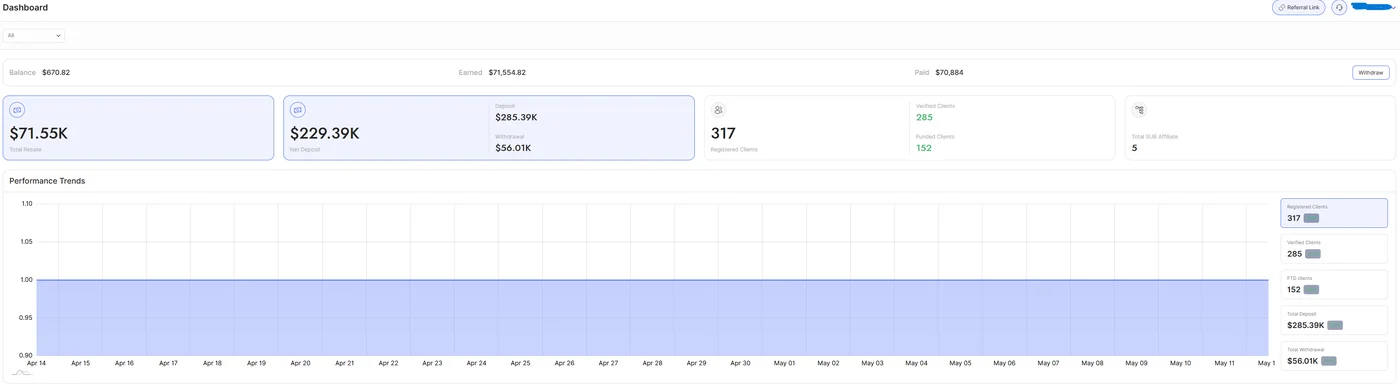
A well-run affiliate program can contribute 40-70% of total FTD volume for a mature broker. The model works best with clear commission structures (CPA, revenue share, or hybrid), strong affiliate management (dedicated account managers for top partners), and a broker product that actually converts - because affiliates will not send traffic to a broker with a bad FTD conversion rate. This is exactly why affiliate program management is one of AIM's core services for brokers.
Paid Advertising (Selective and Tightly Constrained)
Paid ads for forex brokers have become progressively harder every year. Meta, Google, and TikTok all have restrictive financial services policies, and enforcement is inconsistent - accounts can get approved for months and then suddenly shut down. That does not mean paid is dead. It means you need to approach it as a constrained, disciplined channel rather than a primary growth engine.
The paid channels that still work in 2026: Google Search for high-intent keywords (where competition is brutal but intent is real), YouTube pre-roll on trading content, TikTok spark ads partnering with trading creators, Telegram and Discord communities with trading-specific audiences, and native ad networks like Taboola and Outbrain for long-tail reach. Meta is tricky - possible but requires compliant creative and conservative targeting. The key is diversification. No broker should depend on a single paid channel.
Content and SEO (Long Game)
Organic search traffic is a compounding asset. Every article ranked on page one of Google is effectively a paid ad that never turns off. The challenge is that SEO for forex brokers is a long game - typically 12-24 months to see material traffic from a new content program - and the competition is ferocious. Established brokers with domain rating 40+ dominate every commercial keyword.
The right approach for a newer broker is to target long-tail and niche-intent queries: specific trading instruments, regional content, educational deep dives that established brokers overlook. Volume is smaller, but competition is lower and the traffic is often higher intent. Combined with a strong internal linking structure and proper technical SEO, a newer broker can build a meaningful organic moat in 18 months.
Influencer Partnerships
Trading influencers sit at the intersection of content and acquisition. Partnering with them is a form of affiliate marketing but with a different dynamic: the influencer is actively endorsing your brand to an audience that trusts them. The best partnerships are long-term sponsorships rather than one-off post deals, and they work best when the influencer's audience genuinely matches your product (a futures-focused trader should not be promoting a spot-forex broker). For more on this, read our dedicated guide on marketing for trading influencers.
Referral Programs
The most underused acquisition channel is the one you already own: your existing funded traders. A well-designed referral program can contribute 10-25% of total acquisition at effectively zero CAC. The key is incentive design. Small cash bonuses rarely move the needle for traders who are already active. What works better is tiered rewards (bigger payouts for multiple referrals), trading credit or reduced commissions for a period, or exclusive access to premium features. Track the program rigorously and communicate it through email regularly.
Want results like these for your brand?
Pillar 2: FTD Conversion - From Signup to Funded Account
The gap between signing up for a broker account and actually funding it is where most marketing budgets die. Industry data consistently shows that 60-80% of forex broker signups never make a first-time deposit. That means for every dollar you spend acquiring leads, 60-80 cents goes to people who will never generate a dollar of revenue. Fixing this one number is often the highest-ROI activity in a broker's entire marketing operation.
Why Signups Fail to Fund
Signups fail to convert to FTDs for a handful of predictable reasons, and understanding which one applies lets you fix it:
- Friction in KYC and verification. Every additional field, document, and delay in the verification flow loses a percentage of users. A 48-hour manual KYC process is a conversion killer in 2026, when competitors offer near-instant verification.
- Payment method issues. If your preferred deposit methods do not match the geographies you are targeting, traders drop off at the payment page. Local payment methods (UPI in India, OXXO in Mexico, M-Pesa in Kenya) matter more than headline brand recognition.
- No onboarding sequence. Most brokers send a welcome email with login credentials and nothing else. A trader who signs up at 11pm and cannot figure out how to fund their account by the weekend is gone forever.
- No urgency or incentive to act. Without a clear reason to deposit now, human psychology defaults to later. Later becomes never.
- Trust deficit. A trader who lands on your signup page because of an ad they half-remember may not actually trust your brand enough to send money yet. They need more exposure to content, social proof, and credibility signals before they feel safe funding.
The FTD Conversion Playbook
Fixing FTD conversion is a systematic engineering project, not a creative one. Here is the playbook that consistently moves the number:
- Audit the friction. Walk through your own signup flow as a user. Count the clicks from landing page to funded account. Every click is a drop-off point. Remove or defer every field that is not legally required upfront.
- Build an onboarding email sequence. 5-7 emails over 10 days. Purpose: educate, build trust, remove objections, provide a funding incentive. First email within 60 seconds of signup. Each subsequent email addresses a specific objection or provides social proof.
- Add in-platform guidance. Tooltips, progress indicators, checklists. "Complete your profile to unlock trading" type nudges that guide users through to funding.
- Integrate local payment methods. Review the payment methods available for your top 3 geographies. If you are not offering the top local method for each, you are leaving money on the table.
- Offer a funding incentive. A first-deposit bonus, commission-free trades for the first week, free educational content unlocked on deposit - something that creates a reason to act now.
- Retargeting. Traders who started but did not complete signup should see retargeting ads reminding them and addressing likely objections. Email retargeting is typically more effective than paid for this segment.
Brokers that execute this playbook consistently move FTD conversion rates from 20-25% to 35-50%. That is effectively doubling the output of your entire acquisition spend with no additional ad budget.
Pillar 3: Retention and Reactivation
Retention is the pillar that separates profitable brokers from unprofitable ones. Acquisition costs money. Retention multiplies it. A trader who stays active for 12 months is worth 4-8x a trader who churns after one. The lever for retention is behavioral email marketing combined with product-side activity - making sure that whenever a trader interacts with your platform, the experience and the communication are working together to keep them engaged.
Behavioral Segmentation
Every trader on your platform is in one of a small number of states. Your marketing communication should be different for each state:
- New funded (0-14 days): Focus on first-trade activation, platform education, early wins.
- Active consistently (14+ days, regular trades): Focus on volume incentives, new features, upgrade to premium accounts.
- Declining activity (was active, dropping off): Focus on re-engagement, reminder of market events, educational content on what went wrong.
- Dormant (no activity 30+ days): Reactivation campaigns with specific incentives and reminders.
- Churned (60+ days, no response to reactivation): Lower-frequency nurture with high-value content only.
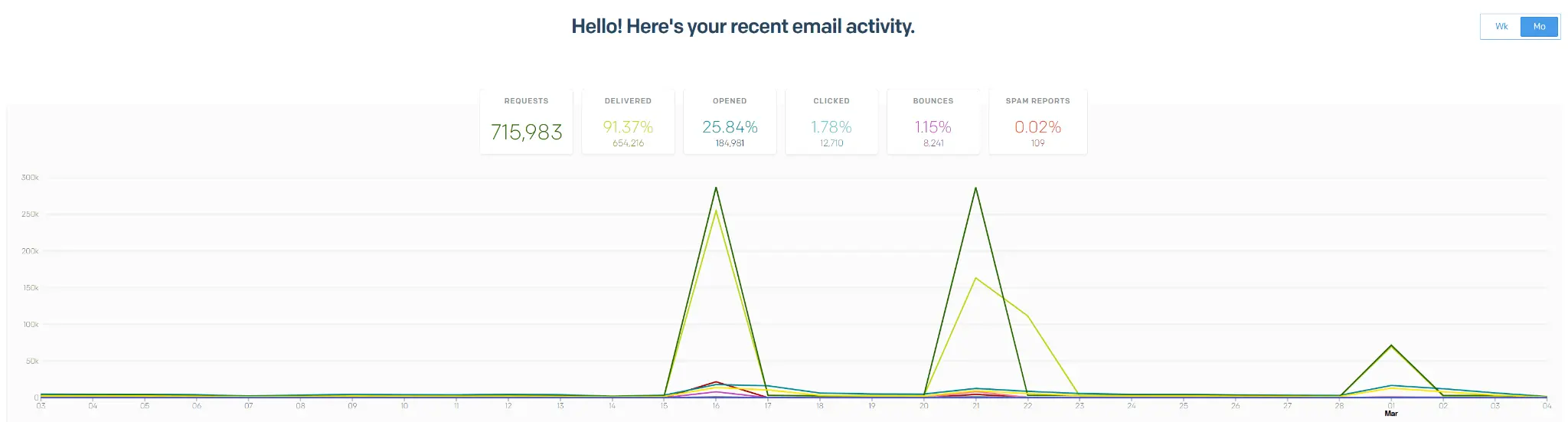
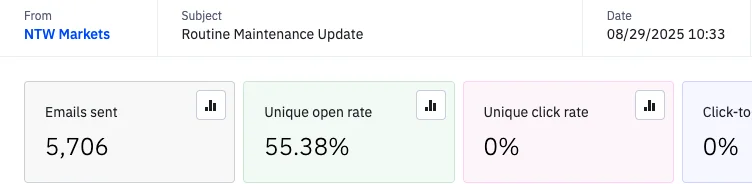
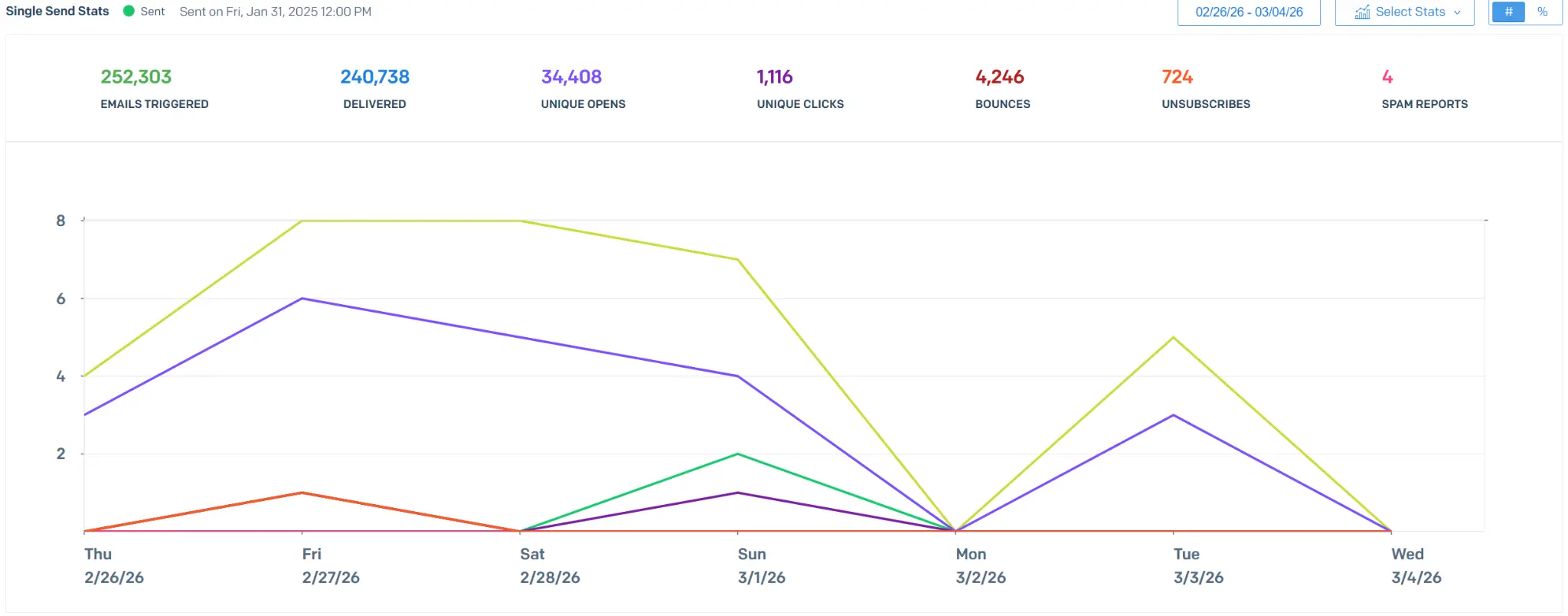
Each segment needs its own automated sequences. The economics of segmentation are overwhelming: a generic blast to your entire database might get 10% opens and 1% actions. A properly segmented sequence targeted at a specific behavioral state routinely gets 35% opens and 8% actions - with meaningfully higher revenue per send.
Educational Retention Content
One of the under-appreciated retention levers is education. A trader who feels like they are learning and improving stays active longer. Brokers that invest in educational content - market analysis, strategy guides, weekly wrap-ups, economic calendar commentary - see measurably higher retention than brokers that treat their platform as a pure transaction venue. The education does not need to be sophisticated. It needs to be consistent and delivered through email and in-app channels to the right behavioral segments.
For a deeper operational breakdown, our guide on email marketing for forex brokers covers the sequences and infrastructure in detail.
Pillar 4: Advocacy - Turning Traders Into Growth Engines
Advocacy is the pillar most brokers never reach, and it is the one with the highest compound return. A happy, active trader who tells three other traders about your brand is worth significantly more than the three traders themselves, because each of those three might tell more. Word of mouth in trading communities is the ultimate moat.
The advocacy playbook is built from a handful of elements:
- Referral program with meaningful economics. Not a token $10 bonus. Real incentives for both parties.
- Social proof capture. Testimonial collection, case studies, user-generated content from funded and profitable traders. Ask for these consistently, not as an afterthought.
- Community building. A Discord, Telegram, or forum where traders on your platform interact with each other and with brand staff. Not every trader wants this, but the ones who do become advocates.
- VIP program. Recognition for your top traders - special events, better trading conditions, direct communication channels. People with status do not leave, and they talk about the brand that gave it to them.
Compliance: The Layer That Cuts Through Everything
Forex brokers operate in one of the most regulated industries in marketing. Every piece of creative, every email, every landing page, every ad has to pass through a compliance lens. The brokers that treat this as an afterthought eventually pay for it - either in regulatory action or in advertising platform bans.
The baseline compliance principles that apply across most regulated jurisdictions:
- No income guarantees. Never promise returns, never imply that trading is risk-free, never showcase unverifiable profit screenshots as if they are typical results.
- Risk disclaimers. Include them prominently on ads, landing pages, and emails in regulated jurisdictions. They are not optional.
- Appropriate target audience. Do not target minors, do not target financially vulnerable populations, and respect the eligibility rules of each jurisdiction.
- Clear, honest product descriptions. Leverage disclosures, spread information, and execution policies should be easy to find and accurately described.
- Data and privacy compliance. GDPR for EU residents, CCPA for California, and equivalent frameworks elsewhere. Consent must be explicit, data handling must be documented.
Compliance should be baked into the creative process, not bolted on at the end. Every copywriter, designer, and media buyer on your team should know the rules. When in doubt, err on the side of more disclosure, not less. For detailed coverage of compliance-aware email marketing, our article on email marketing for CFD brokers goes deeper on FCA, CySEC, and ASIC considerations.
Want results like these for your brand?
The Marketing Tech Stack for a Modern Broker
You cannot execute the four pillars without the right infrastructure. Here is the minimum tech stack for a mid-size forex broker in 2026:
- CRM: A trading-aware CRM that tracks signup, KYC, deposit, trading activity, and support history. Not a Salesforce out of the box - a system that understands trader lifecycle events.
- ESP (Email Service Provider): Customer.io, ActiveCampaign, or similar with proper event-driven architecture to trigger emails based on trader behavior.
- Affiliate Tracking Platform: Income Access, Cellxpert, or a comparable system with proper attribution and commission management.
- Analytics and Attribution: A multi-touch attribution system that tracks traders across channels, not just last-click Google Analytics.
- Content Management: A proper CMS for your educational content, market analysis, and blog - not WordPress with 15 random plugins.
- Ad Operations Stack: Centralized creative library, campaign management across Meta, Google, TikTok, and native networks, with compliance review workflow built in.
- Support and Community Tools: Intercom or Zendesk for support, plus a community platform (Discord, Circle, or similar) for trader engagement.
The specific tools matter less than the integration. Data must flow between them. A CRM that does not talk to the ESP is worthless. An ad platform that does not know which ads resulted in FTDs is worthless. Integration is the project.
What a High-Performing Broker Marketing Operation Looks Like
- FTD conversion: 35-50% of signups fund their account
- Affiliate contribution: 40-70% of total FTD volume
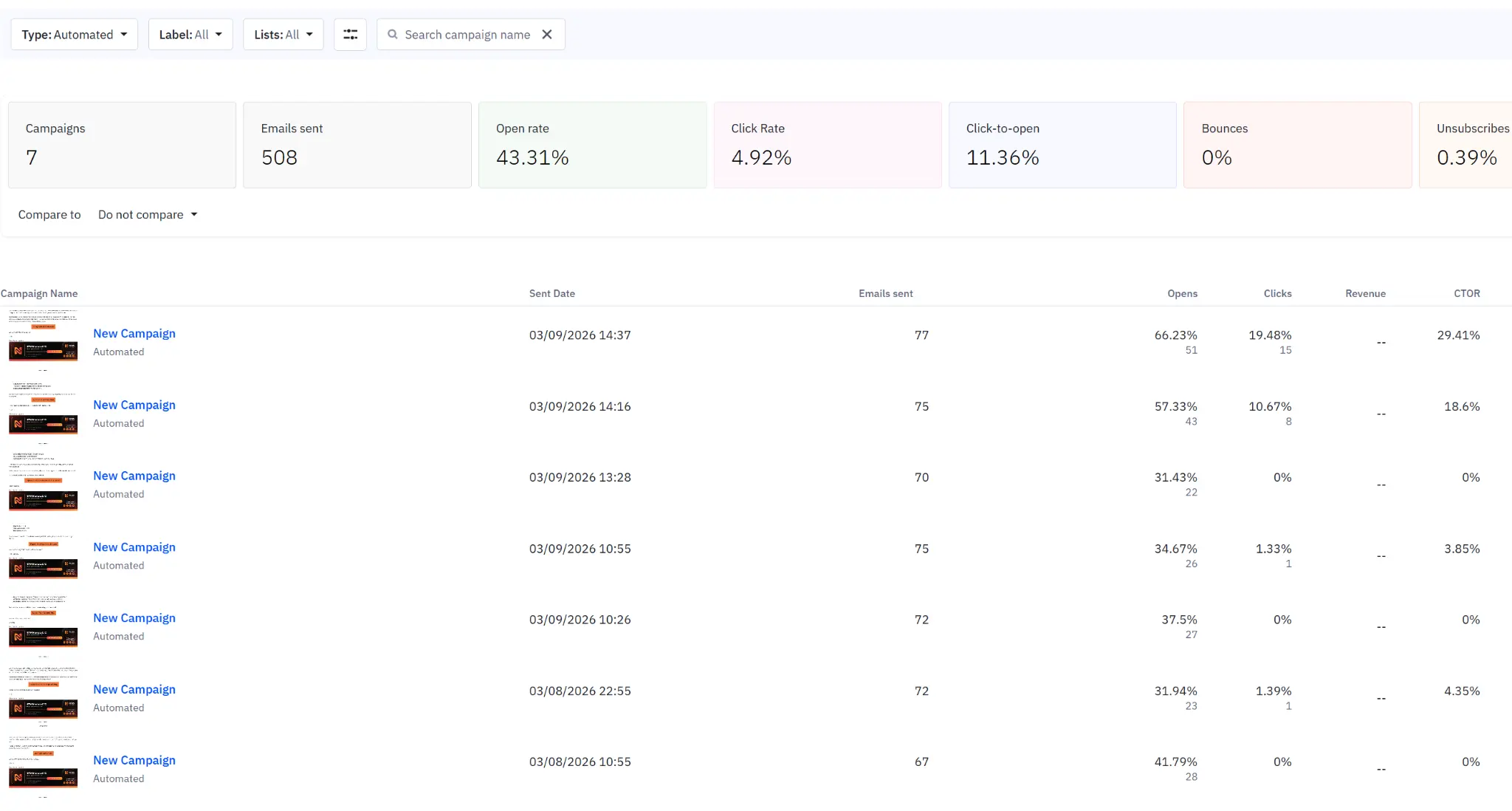
- Email retention: 25%+ open rates on properly segmented lists
- Referral contribution: 10-25% of total acquisition
- Revenue per trader: Compounding over time thanks to retention programs

Common Mistakes Forex Brokers Make
- Overinvesting in acquisition while ignoring conversion and retention. The classic pattern: spend 90% of the budget on ads, 10% on "retention" which is one unsegmented email per week. Revenue stalls. The answer is always to rebalance.
- Treating affiliates as a set-and-forget channel. Affiliate programs require active management - relationship building with top partners, creative support, performance reviews, payout optimization. Brokers who outsource affiliate management to a spreadsheet get mediocre results.
- No behavioral segmentation in email. Blasting the entire database with the same weekly newsletter. Open rates collapse, unsubscribes climb, sender reputation dies.
- Relying on one acquisition channel. Whether it is Google Ads, Meta, or one affiliate, concentration risk is existential in forex. Platforms change rules overnight. Diversify before you need to.
- Skipping compliance review to move faster. It feels fast until a regulator flags you and every campaign stops for three months.
- Generalist agency syndrome. Hiring a marketing agency with no trading specialty because the fee is lower. The agency spends six months learning your industry on your budget.
How AIM Helps Forex Brokers Build This System
At AIM, we build the marketing infrastructure that delivers on this framework - specifically for trading brands. We do not work with ecommerce, SaaS, or local service businesses. Every client is a trading company: forex brokers, prop firms, CFD brokers, and trading educators.
For forex brokers specifically, our engagements typically cover email marketing infrastructure (ESP setup, deliverability, onboarding and retention sequences), affiliate program management (IB network growth, affiliate relationship operations, commission structuring), social media and content for trader-facing channels, and creative direction for paid campaigns that need to pass compliance review.
The goal of every engagement is the same: move FTD conversion up, move retention up, move affiliate contribution up. We measure the outcomes in revenue, not impressions.
Ready to build a marketing engine that actually generates revenue?