There has never been a better time to build a trading brand. The tools are cheaper. The audience is bigger. And the monetization paths are clearer than ever. But most trading creators still struggle to turn followers into real revenue - because they treat content like a hobby instead of a business.
This guide is the playbook we use at AIM to take trading influencers from zero (or stuck at a plateau) to six-figure businesses. We have done it for creators like Ali, Drewize, Kenneth, and PIPNDIP. The system works. And it works fast - if you follow the steps in order.
Whether you are a signal provider, trading educator, prop firm affiliate, or someone who just started posting chart breakdowns on Instagram - this is everything you need to know about building and monetizing a trading brand in 2026.
1. The Trading Brand Opportunity in 2026
The trading education market is projected to hit $18.5 billion by 2028. Retail trading participation has surged since 2020 and shows no sign of slowing down. More people than ever want to learn how to trade - and they are turning to individual creators, not institutions, for that education.
Here is what has changed in the last two years. First, platforms like YouTube, Instagram, and TikTok have matured their algorithms to reward niche expertise. A trader posting focused, high-quality content on one strategy can outperform a generalist with 10x the following. Second, monetization tools have exploded. Whop, Skool, Circle, Kajabi - the infrastructure for selling courses, communities, and signals is plug-and-play. Third, AI tools have collapsed the cost of content creation by 80%. What used to take a team of five now takes one person with the right systems.
The window is wide open. But it will not stay open forever. As more creators enter the space, standing out gets harder. The brands that build their systems now - content, email, offers, automation - will be the ones that own the market for the next decade.
2. The 5 Revenue Streams Every Trading Brand Should Have
If you are only making money one way, your business is fragile. The strongest trading brands we work with at AIM have at least three of these five revenue streams running at the same time.
Stream 1: Courses and Education Products
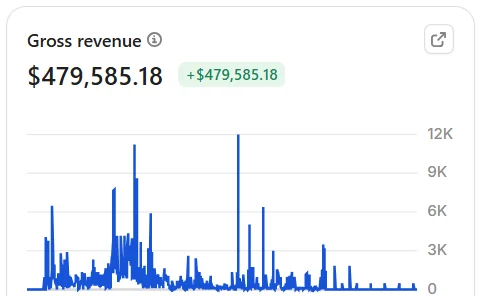
This is the highest-margin revenue stream. A well-built trading course priced between $297 and $997 can generate six figures from a single launch. Ali built a six-figure education business using a structured course funnel we helped design - from content to email sequences to the launch event itself. The key is packaging your strategy into a clear, step-by-step system that delivers a specific outcome.
Stream 2: Signals and Community Access
Recurring revenue is the foundation of a real business. A Discord or Telegram community charging $29 to $99 per month creates predictable income. The best signal groups combine trade alerts with education, live sessions, and community interaction. This is not about copying trades - it is about creating an environment where members learn, execute, and stay.
Stream 3: Affiliate and IB Commissions
Every time one of your followers opens a brokerage account through your link, you earn a commission - either per lot traded or as a revenue share. Top trading influencers earn $5,000 to $50,000 per month from IB commissions alone. This is passive income that scales directly with your audience size.
Stream 4: Sponsorships and Brand Deals
Prop firms, brokerages, and trading tool companies pay creators to feature their products. Once you hit 10,000 to 50,000 followers with genuine engagement, sponsorship deals worth $1,000 to $10,000 per post become realistic. The key is maintaining credibility - only promote what you actually use.
Stream 5: Coaching and 1-on-1 Mentorship
High-ticket coaching ($500 to $5,000 per client) is the fastest way to generate cash before you have a large audience. Even with 500 engaged followers, you can fill a coaching program. This stream also generates testimonials and case studies that fuel everything else.
The goal is not to launch all five at once. Start with one. Master it. Then stack the next. Most six-figure trading brands we work with started with either coaching or a community - then added courses and IB income within 6 months.
3. Building Your Content System
Content is the engine that drives everything. Without it, you have no audience, no trust, and no revenue. But most trading creators approach content backwards - they post randomly, burn out, and quit. You need a system, not motivation.
The Content Pillars Framework
Every piece of content you create should fall into one of four categories. Educational content teaches your strategy and builds authority. Lifestyle content builds connection and shows the result of trading well. Engagement content (polls, questions, hot takes) drives algorithm reach. Conversion content (testimonials, case studies, offers) drives revenue. A healthy ratio is 40% educational, 25% lifestyle, 20% engagement, and 15% conversion.
YouTube: Your Long-Form Foundation
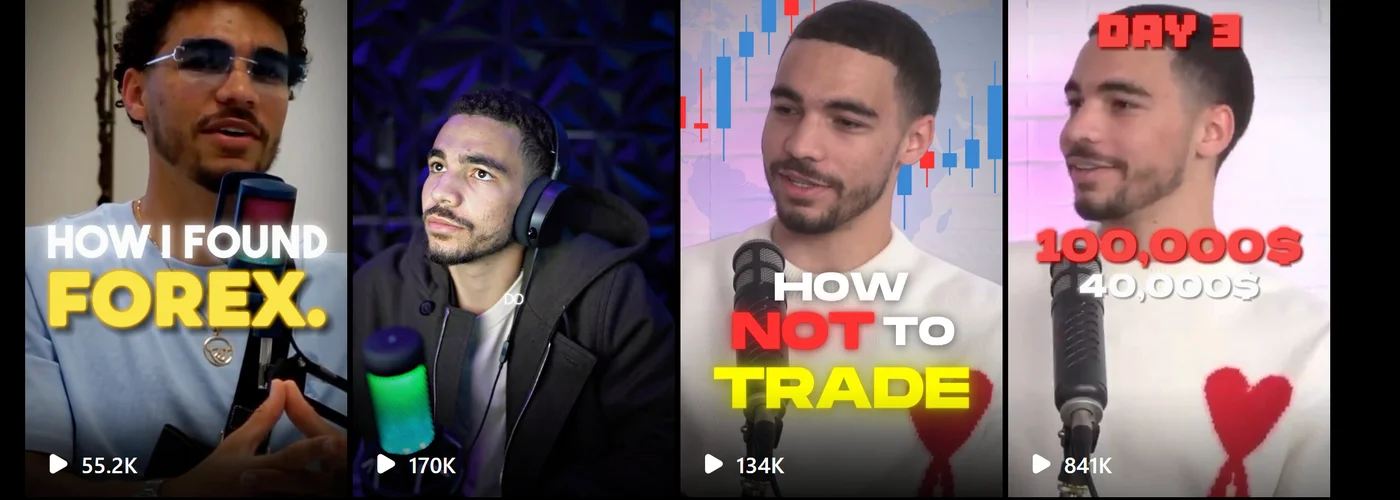
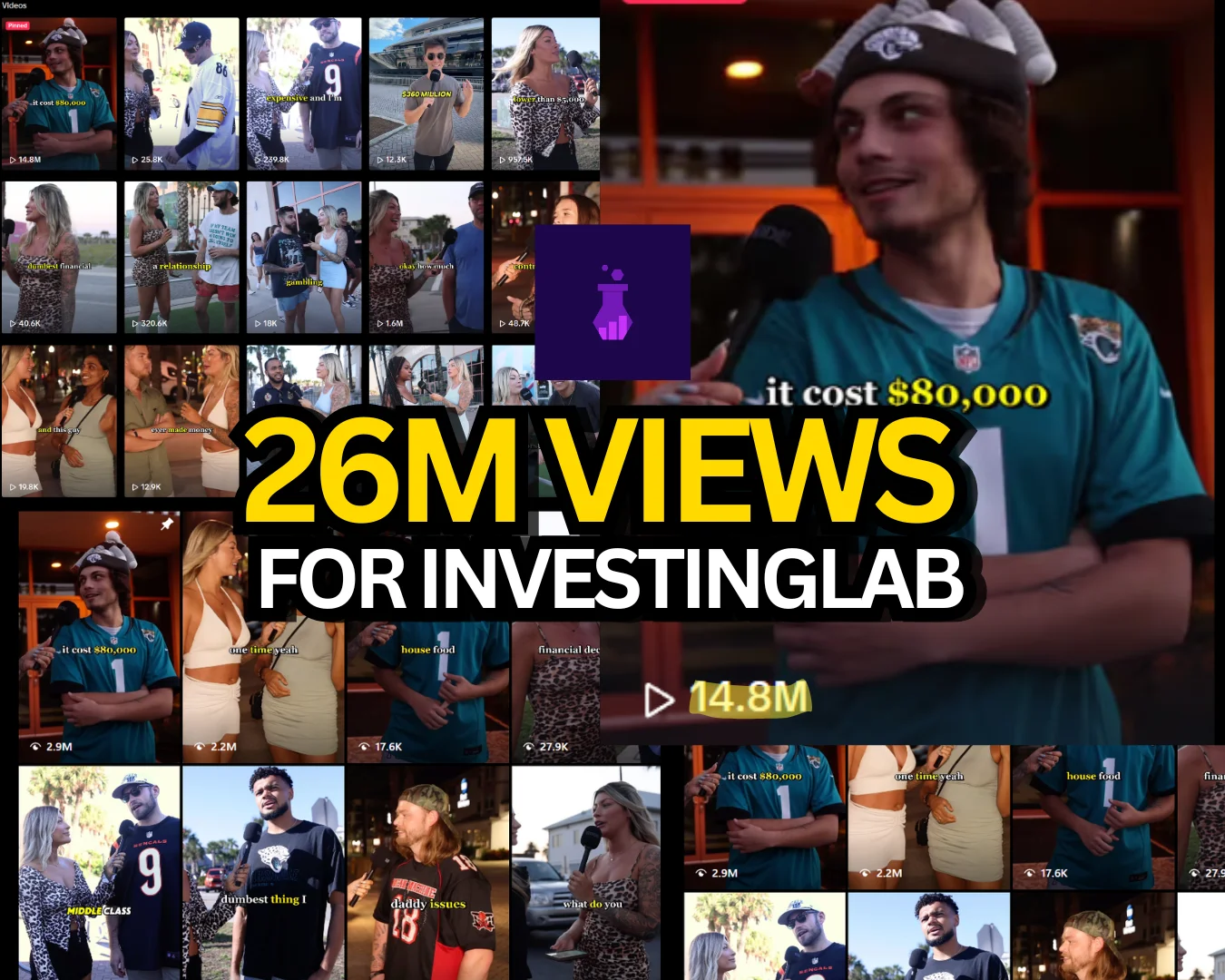
YouTube is the most powerful platform for trading creators because of search intent. People actively search "how to trade supply and demand" or "best prop firm 2026." One well-optimized YouTube video can generate leads for years. We helped Ali hit 1 million views across just 4 videos by using a specific scriptwriting system - strong hooks, clear structure, and calls to action woven naturally into the content.
Instagram and TikTok: Your Short-Form Amplifiers
Short-form content on Reels and TikTok is your discovery engine. These platforms push your content to people who do not follow you yet. The goal is not depth - it is attention. A 30-second clip of a trade breakdown, a quick market take, or a lifestyle moment can reach 100,000 people in 24 hours. Then you funnel them to YouTube, your email list, or your community.
The Batch Production Method
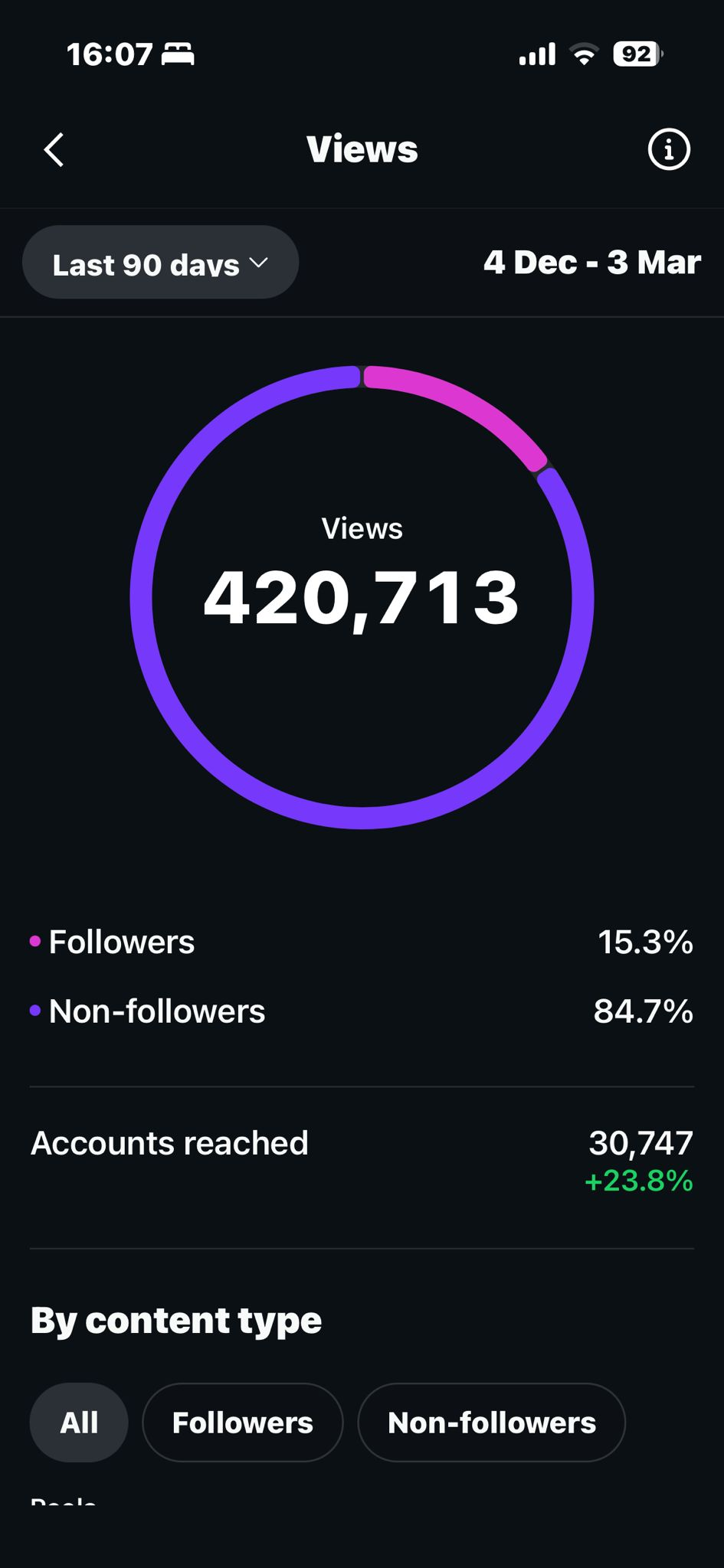
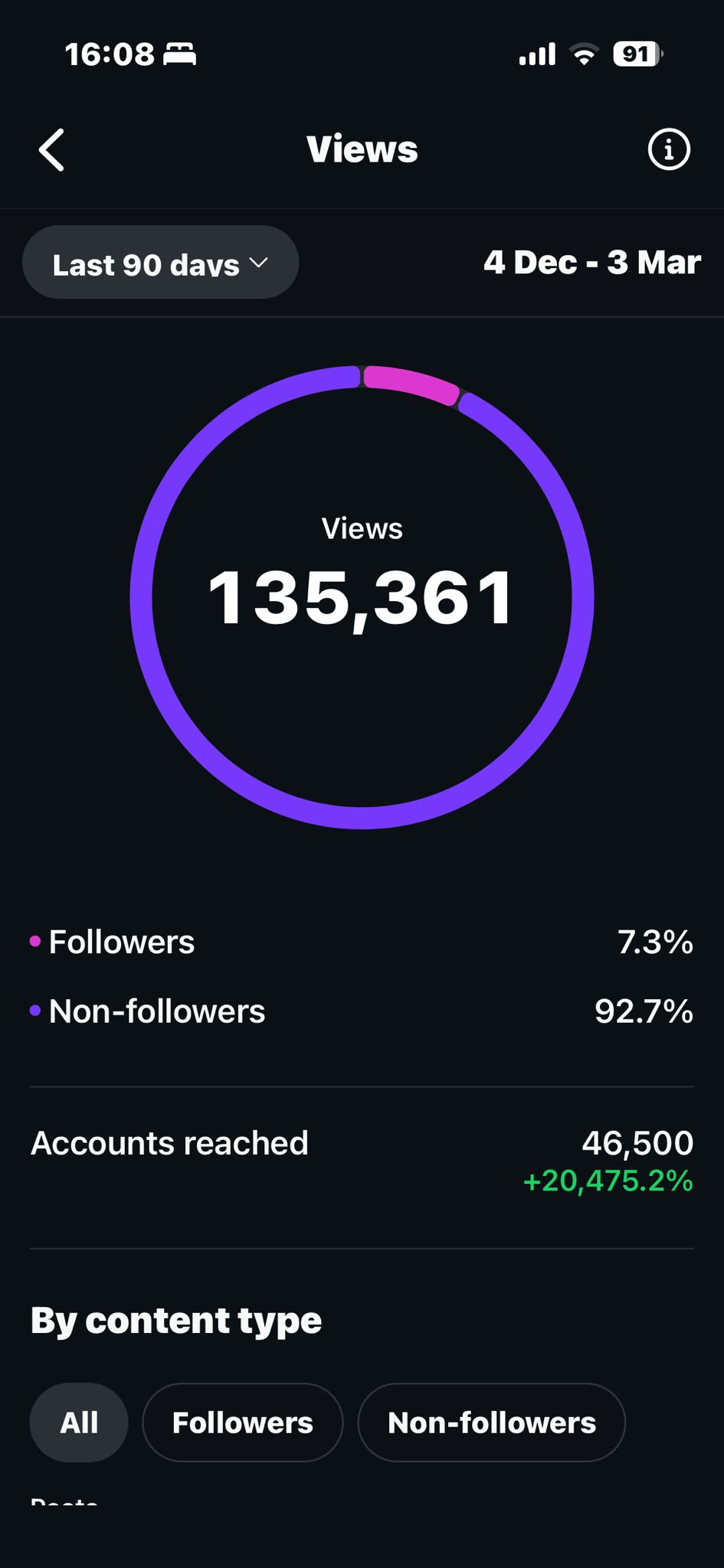
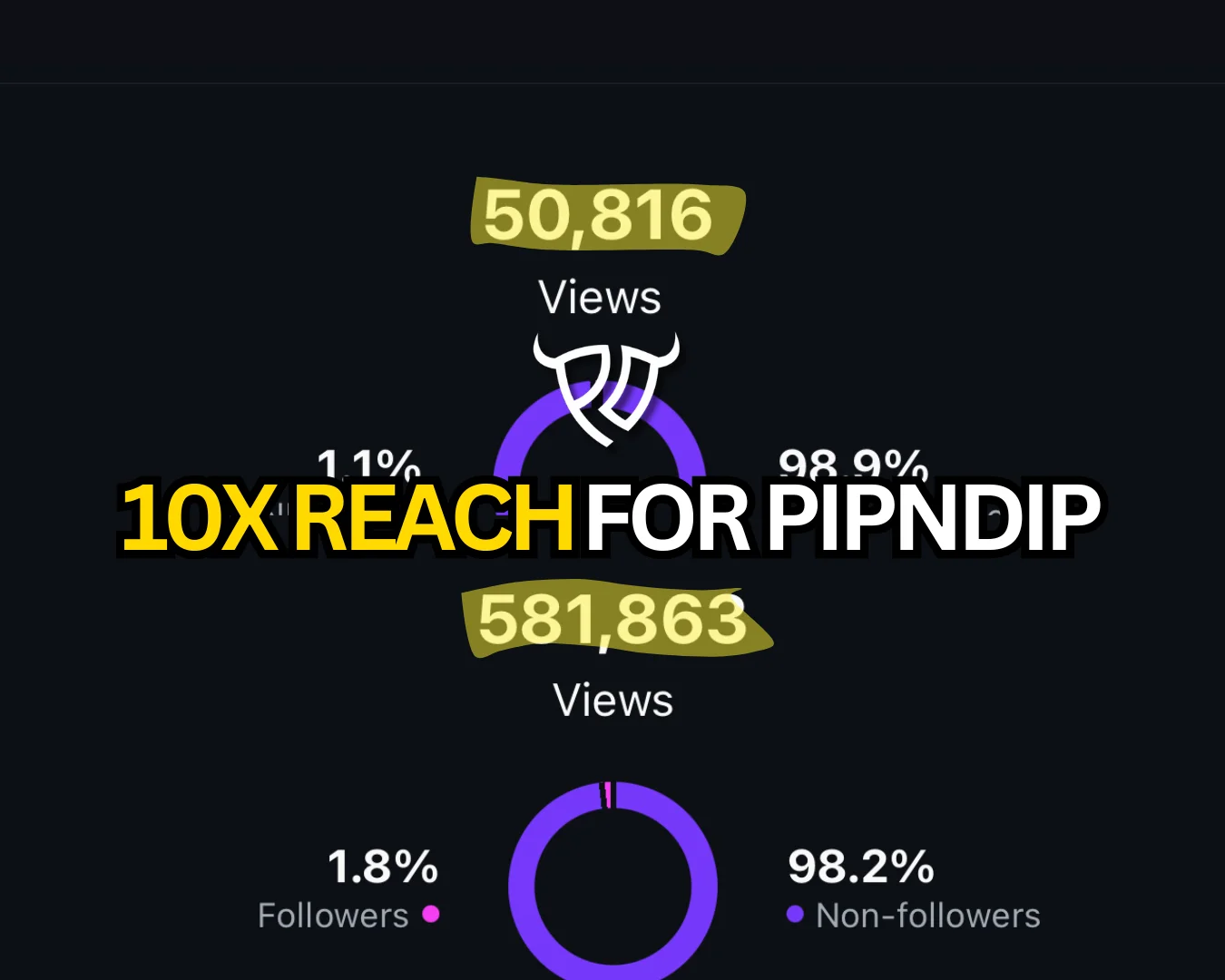
The secret to consistency without burnout is batching. Pick one day per week to film. Record 1 YouTube video and 5 to 7 short-form clips in a single session. Write all your captions and hooks in a separate 30-minute block. Schedule everything. This is exactly how PIPNDIP 10x-ed their reach in 90 days - by going from random posting to a systemized content calendar with batched production.
Want results like these for your brand?
4. Growing Your Audience: Platform-Specific Strategies
Creating content is half the battle. The other half is making sure the right people see it. Each platform has its own rules, and understanding them is the difference between 200 views and 200,000.
YouTube Growth Strategy
Titles and thumbnails drive 80% of your click-through rate. Spend as much time on these as you do on the video itself. Use specific numbers ("How I Made $12,000 in One Trade") instead of vague promises. Research search volume using TubeBuddy or VidIQ. Target keywords your ideal audience is already searching for. Post consistently - one video per week minimum - and optimize the first 30 seconds to hook viewers and kill bounce rate.
Instagram Growth Strategy
Reels are your primary growth tool on Instagram. Post 5 to 7 Reels per week. Use trending audio when it fits your content. Write captions that start with a hook and end with a call to action. Use Stories daily to nurture your existing audience - polls, Q&As, behind-the-scenes. Instagram Stories convert followers into buyers better than any other format because they feel personal and direct.
TikTok Growth Strategy
TikTok rewards volume and raw authenticity. Post 1 to 3 times per day. Keep videos between 30 and 90 seconds. Open every video with a hook that creates curiosity or tension. The algorithm does not care about your follower count - it tests every video independently. This means a brand new account can go viral on day one if the content hits.
Cross-Platform Funneling
The real strategy is using each platform for what it does best. TikTok and Reels for discovery. YouTube for depth and trust-building. Email for conversion and monetization. Every piece of content should move people one step closer to your owned channels - your email list and your community. Never build your business on rented land alone.
5. Building an Email List: The Asset You Actually Own
Your Instagram followers are not yours. Your YouTube subscribers are not yours. Your email list is yours. It is the only marketing asset that cannot be taken away by an algorithm change, a platform ban, or a policy update. Every serious trading brand needs an email list.
Lead Magnets That Work for Trading Audiences
To get someone's email, you need to offer something worth giving it up for. The best lead magnets for trading creators are free strategy PDFs, trading checklists, indicator templates, or access to a free mini-course. Make it specific. "My 3-Step Supply and Demand Entry Checklist" converts 5x better than "Free Trading Guide." The more targeted the lead magnet, the higher quality your subscribers will be.
Opt-In Funnels
Your opt-in funnel is the bridge between your content and your email list. Place links in your YouTube descriptions, Instagram bio, TikTok bio, and pinned comments. Use a simple landing page - headline, 3 bullet points of what they get, and an email capture form. Tools like ConvertKit, Beehiiv, or ActiveCampaign make this easy. Test your landing page copy every two weeks until you hit a 40%+ opt-in rate.
Nurture Sequences
Once someone joins your list, do not just let them sit there. Set up a 5 to 7 email welcome sequence that delivers value, builds trust, and introduces your paid offer. Email 1: deliver the lead magnet. Email 2: your story and why you trade. Email 3: your best free content. Email 4: a case study or testimonial. Email 5: soft pitch for your offer. This sequence runs on autopilot and turns cold subscribers into warm buyers - 24 hours a day, 7 days a week.
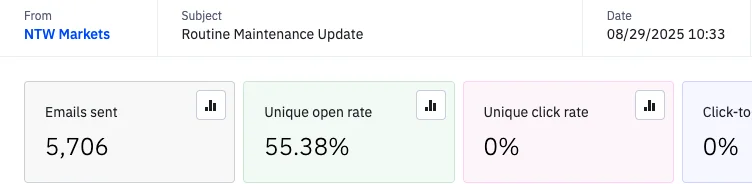
We doubled the email open rates to 60% for one of our clients by rewriting their subject lines, segmenting their list by engagement level, and sending at the right times. Small changes, massive results.
6. Creating and Launching Your First Offer
You have an audience. You have an email list. Now you need something to sell. The question most trading creators get stuck on is: what should my first offer be?
Option 1: A Paid Community (Best for Beginners)
A paid community on Whop, Discord, or Skool is the lowest-friction first offer. Price it between $29 and $79 per month. Include daily trade ideas, a weekly live session, and access to a private chat. You do not need a polished curriculum. You need to show up consistently and deliver value. This generates recurring revenue from day one and gives you a testing ground for everything else.
Option 2: A Course (Best for Established Creators)
If you already have a clear, proven strategy and at least 2,000 to 5,000 engaged followers, a course is your highest-leverage play. Price it between $297 and $997. Structure it around a specific transformation - "Go from complete beginner to placing confident trades in 30 days." Record screen-share videos, include templates, and add a community component for accountability.
Option 3: 1-on-1 Coaching (Best for Fast Cash)
Coaching requires the smallest audience to work. Even 200 to 500 engaged followers can support a coaching program at $500 to $2,000 per client. Offer 4 to 8 weekly calls, personalized trade reviews, and direct access via DM. This is also the best way to learn what your audience actually needs - which feeds directly into building your course later.
The Golden Rule
Do not wait until everything is perfect to launch. Your first offer will not be your best offer. Launch it, get feedback, improve it, and relaunch. Speed beats perfection every time. The creators who win are the ones who ship fast and iterate - not the ones who spend six months building the "perfect" course that nobody buys.
7. The Launch Playbook: How to Hit Six Figures in Your First Month
A great product with a bad launch makes no money. A good product with a great launch makes six figures. The launch is everything. Here is the exact playbook we use at AIM for trading brand launches.
Phase 1: Pre-Launch (2 to 3 Weeks Before)
Start building anticipation before you announce anything. Post content that addresses the problem your offer solves. Share behind-the-scenes clips of you building the product. Run polls asking your audience what they struggle with most. Send emails hinting that something is coming. The goal is to make your audience feel like they are part of the creation process. By the time you announce, they should already want it.
Phase 2: The Email Blitz (Launch Week)
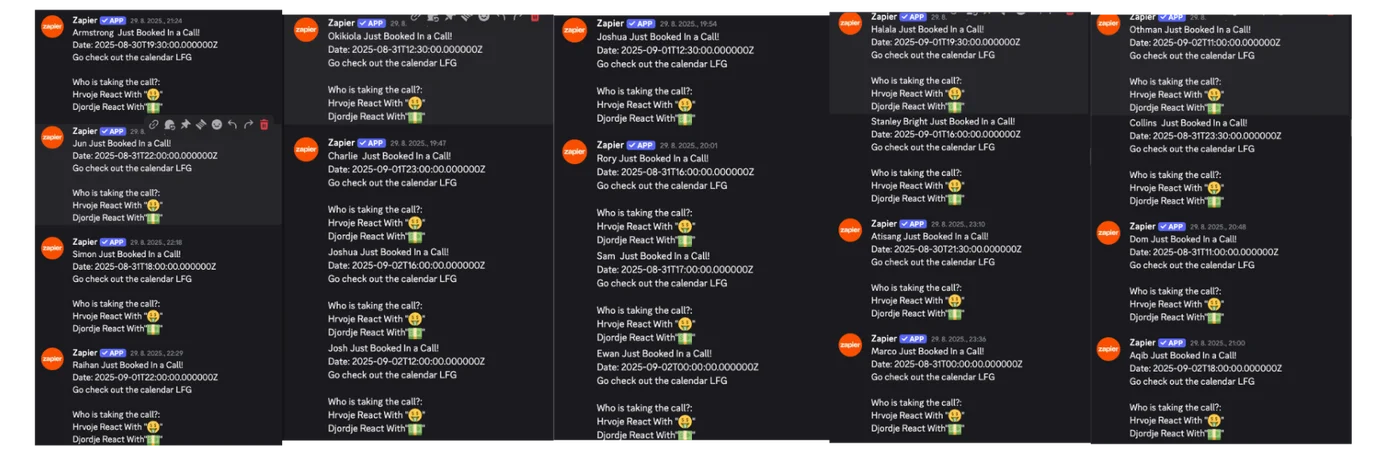
Your email list is your primary revenue driver during a launch. Send 5 to 7 emails over the launch week. Email 1: the big announcement with a limited-time offer. Email 2: the story behind why you built it. Email 3: a case study or testimonial. Email 4: FAQ and objection handling. Email 5: 48-hour warning. Email 6: final hours, last chance. Kenneth generated 72 calls in 48 hours and a $350,000 pipeline using a similar email-driven launch sequence. The math is simple - more emails, more revenue.
Phase 3: Social Activation
During launch week, every piece of content should point to your offer. Go live on Instagram and YouTube. Post testimonials from beta testers. Share screenshots of early results. Use Stories to answer questions in real time. Create urgency with a genuine deadline - whether it is a price increase, a bonus that expires, or limited spots.
Phase 4: The Webinar Close
A live webinar is the single highest-converting sales event for trading products. Teach for 45 minutes. Show your strategy in action with real examples. Then present your offer as the natural next step. A well-executed webinar converts 5% to 15% of attendees into buyers. If you have 500 people on the webinar and a $497 product, that is $12,000 to $37,000 in a single session.
Want results like these for your brand?
8. Setting Up Affiliate and IB Income Streams
Affiliate and introducing broker (IB) income is the most overlooked revenue stream for trading creators. It requires zero product creation. You simply recommend the tools and brokers you already use, and earn a commission when your audience signs up.
How IB Commissions Work
When you partner with a broker as an introducing broker, you earn a commission every time one of your referred traders places a trade. This is usually structured as a rebate per lot - typically $2 to $10 per lot depending on the broker, instrument, and your negotiation. If you refer 100 active traders who each trade 10 lots per month, that is $2,000 to $10,000 per month in pure passive income. It compounds as your audience grows.
How to Negotiate Better Deals
Most creators accept the first offer a broker gives them. Do not do this. Come to the table with data - your audience size, engagement rates, geographic distribution, and the number of traders you have already referred. Ask for a higher per-lot rebate, a one-time CPA bonus per funded account, or a hybrid deal. Brokers will pay more for quality traffic that deposits and trades consistently.
Prop Firm Affiliate Programs
Prop firm affiliates earn 10% to 20% commissions on challenge purchases. With prop firm challenges priced between $50 and $500, a single Instagram Story recommending a prop firm can generate hundreds of dollars. Top trading influencers in our network earn $3,000 to $15,000 per month from prop firm affiliates alone. The key is authenticity - only recommend firms you have personally traded with or thoroughly vetted.
Stacking Affiliate Income
Beyond brokers and prop firms, look at trading tools, charting platforms, VPS providers, and education tools. Each affiliate deal adds another $500 to $5,000 per month. Stack five or six of these together and you have a revenue stream that covers your living expenses before you sell a single product.
9. Custom AI Tools for Scaling Your Brand
AI is not a gimmick for trading brands - it is a genuine competitive advantage. The creators who adopt AI tools now will operate at 10x the speed and half the cost of everyone else. Here is how we use AI at AIM to scale trading brands.
CustomGPTs for Your Community
Imagine giving your community members a custom AI assistant trained on your exact trading strategy. We build CustomGPTs for trading creators that can answer strategy questions, generate trade ideas based on your rules, and help members with journaling and analysis. This adds massive perceived value to your paid community and reduces the number of hours you spend answering the same questions over and over.
Content Automation
AI can draft your YouTube scripts, generate Instagram captions, repurpose long-form content into short-form clips, and write your email sequences. You still review and add your voice - but the first draft is done in minutes instead of hours. We use AI content systems that cut production time by 70% while maintaining the creator's authentic tone and style.
Personalized Email at Scale
AI-powered email personalization lets you send different messages to different segments based on their behavior, trading experience, and engagement level. A beginner trader gets a different nurture sequence than an experienced swing trader. This level of personalization used to require a full marketing team. Now it runs on autopilot with the right automation stack.
Market Analysis Bots
Set up AI agents that scan markets, generate daily analysis summaries, and post them to your community automatically. Your members get fresh content every morning. You spend zero time creating it. This is the kind of infrastructure that makes a $49/month community feel like it is worth $200/month.
10. The 2-Hour-Per-Week System: How to Run It All Without Burning Out
The biggest fear trading creators have is that building a brand means working 12-hour days on top of their trading. It does not - if you build the right systems.
Here is the exact weekly breakdown we set up for our clients at AIM.
Your 2 Hours Per Week
- 30 minutes: Film 1 YouTube video and 5 short-form clips (batched in one session)
- 30 minutes: Review and approve email campaigns, scripts, and content drafts prepared by your team or AIM
- 30 minutes: Host 1 live session in your community (Q&A, market breakdown, or trade review)
- 30 minutes: Review analytics, reply to high-value DMs, and approve next week's content calendar
What Runs on Autopilot
- Email sequences - welcome series, nurture flows, and launch campaigns run automatically
- Content scheduling - all posts queued and published on schedule
- AI assistants - CustomGPTs handle community questions 24/7
- Market analysis - AI bots generate and post daily summaries
- Affiliate tracking - IB commissions and affiliate payouts tracked automatically
What Your Team (or AIM) Handles
- Video editing - raw footage turned into polished YouTube videos and Reels
- Copywriting - email campaigns, sales pages, ad copy, and captions
- Funnel building - opt-in pages, checkout flows, and upsell sequences
- Design - thumbnails, carousels, banners, and brand assets
- Strategy - launch planning, content calendars, and growth roadmaps
This is exactly how Drewize runs his brand. He shows up for content and community. We handle everything else - from email infrastructure to funnel optimization to content production. The result is a brand that grows every month without the creator burning out.
You do not need to do everything yourself. You need to do the things only you can do - show your face, share your strategy, connect with your audience. Everything else should be systemized or delegated.
The trading brand opportunity in 2026 is real. The creators who build their systems now - content, email, offers, automation, team - will own this space for years to come. The ones who keep "figuring it out" alone will keep making content that goes nowhere.
Build the machine. Then let the machine run.
Ready to build a marketing engine that actually generates revenue?